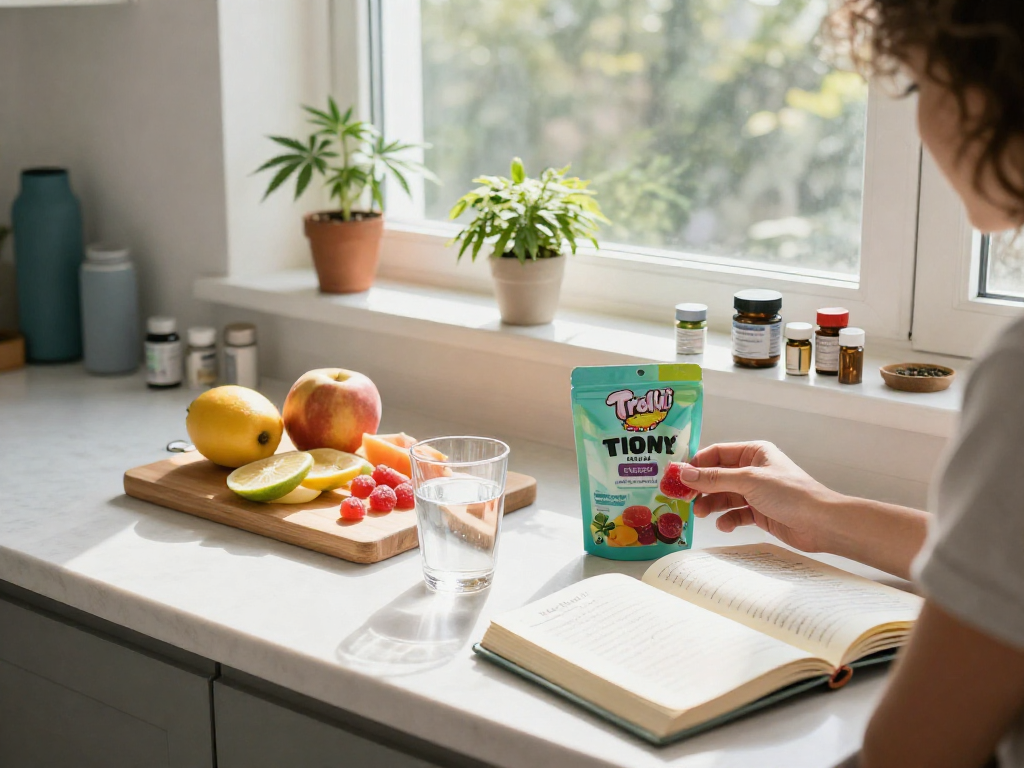
Understanding THC Edibles and Their Effects
THC edibles, particularly those produced by the Trolli brand, offer unique wellness benefits for users seeking natural relief. As these products are consumed, they are digested and metabolized differently than inhaled options, such as vaping. This fundamental difference impacts how THC affects the body, and understanding this process is crucial for responsible and enjoyable consumption.
When exploring options, trolli sweets uk provides comprehensive insights into these edible products and their varied effects. The primary psychoactive compound, THC, interacts with the body's endocannabinoid system (ECS) when ingested, providing a range of potential therapeutic effects. When THC edibles are consumed, they undergo digestion where they are metabolized in the liver into 11-hydroxy-THC, a compound known for its heightened potency compared to smoking methods. Consequently, consumers may experience a more pronounced sedative effect, making the experience unique to edibles.
What are THC edibles and how do they work?
THC edibles are food products infused with tetrahydrocannabinol (THC), the main psychoactive component of cannabis. Common forms include gummies, chocolates, and beverages. When these products are consumed, the digestive system breaks them down, allowing THC to be absorbed into the bloodstream. This absorption occurs after the liver metabolizes THC into 11-hydroxy-THC, which has stronger psychoactive properties than delta-9-THC found in smoke or vapor. This metabolic process contributes to the longer onset time and a more intense body-focused experience associated with edible THC.
Bioavailability of THC in edible forms
The bioavailability of THC refers to the proportion of the active substance that enters circulation when introduced to the body and is available for effect. When consuming edibles, the bioavailability of THC is significantly lower than that of inhaled forms due to first-pass metabolism in the liver, which reduces the amount of THC that reaches systemic circulation. With edibles, factors such as body weight, metabolism, and food intake can influence the absorption process, making it essential for users to adopt responsible dosing practices.
Comparing THC effects of edibles vs. smoking
The primary difference between the effects of THC from edibles and smoking lies in their onset times and the duration of effects. Edibles typically take 45 to 90 minutes to start affecting the body, while smoked THC can produce immediate effects due to direct absorption into the bloodstream via lung tissue. Additionally, the effects of edible THC can last anywhere from 4 to 8 hours, with the experience often feeling more physical and sedative, compared to the cerebral effects commonly associated with smoking. This makes patience and careful dosing critical when trying out THC edibles for the first time.
Proper Dosage Guidelines for THC Gummies
Establishing the right dosage when consuming THC gummies is essential to ensure a safe and pleasurable experience. Users should consider various factors, including individual tolerance levels, weight, and prior experience with THC products. As always, the first rule is to "start low and go slow," especially for beginners.
Starting low: Calculating your ideal dose
For new consumers, an acceptable starting dose typically ranges from 5–10mg of THC. This allows users to gauge their tolerance without overwhelming effects. Many gummies are designed to be divided so consumers can adjust their doses based on personal preferences, making it easier to find what works best for them.
Adjusting dosage based on individual tolerance
Each person's response to THC can vary significantly. Factors such as individual metabolism, body weight, and past experiences with cannabis will influence how the body reacts to THC edibles. After consuming the initial dose, it’s advisable to wait at least 2 hours before considering an additional serving, as this ensures that one can accurately assess the effects. If the initial experience was pleasant and manageable, users may gradually increase their dosage in subsequent sessions.
Using the "Start Low, Go Slow" principle
The principle of "start low and go slow" is critical for a successful experience with THC edibles. This method encourages users to begin with lower doses and gradually increase them while monitoring how the body responds. This approach minimizes the risk of consuming too much THC too quickly, which can lead to uncomfortable and anxiety-inducing experiences, especially for inexperienced users.
Safety Practices When Consuming Edibles
Safety should be a priority when consuming THC edibles to ensure a positive experience. Proper storage, dosing, and understanding potential side effects form the basis of responsible consumption practices.
Storing edible cannabis safely
To maintain potency and flavor, it’s crucial to store THC edibles in a cool, dry place, away from direct sunlight. Original packaging can often provide adequate protection, but it’s recommended to transfer them to airtight containers if the original packaging is not resealable. This will help prevent degradation and promote longevity.
Understanding potential side effects
The consumption of THC edibles may result in side effects, which can include drowsiness, dry mouth, impairment in cognitive function, and digestive changes, such as nausea or loss of appetite. Furthermore, THC can interact with certain medications, particularly blood thinners and antiepileptics, raising the importance of consulting with healthcare professionals before consumption, especially for individuals with pre-existing conditions or those using multiple medications.
Consulting with healthcare providers
It is always wise for consumers, particularly those with underlying health conditions or who are pregnant or breastfeeding, to consult their healthcare provider prior to using THC edibles. Healthcare professionals can provide valuable guidance on appropriate dosing and usage based on personal health needs.
The Legal Landscape for Edibles in 2026
The legality of THC edibles remains complex and varies by region. Understanding current regulations is essential for consumers and manufacturers alike as the landscape continues to evolve.
Current regulations regarding THC edibles
The 2018 Farm Bill legalized hemp-derived cannabidiol (CBD) containing less than 0.3% THC federally in the United States. However, edibles containing higher concentrations of THC still fall under state regulations, leading to variations in legality across different jurisdictions. Consumers should be aware of local laws when purchasing or consuming THC edibles.
Understanding THC vs. CBD legality
While CBD has gained widespread acceptance due to its non-psychoactive nature, THC edibles face more stringent regulation. THC remains a controlled substance in many areas, and understanding the differences between THC and CBD can help consumers navigate legal statuses effectively.
Key compliance requirements for manufacturers
Manufacturers of THC edibles must comply with specific regulations, including product labeling, ingredient disclosure, and testing protocols. Third-party lab testing is essential for verifying product potency and safety, ensuring that consumers can trust the quality of the edibles they purchase. Compliance with Good Manufacturing Practices (GMP) also holds significance for maintaining high standards of production.
Choosing Quality Edibles: What to Look For
With the growing popularity of THC edibles, consumers must navigate a myriad of options available in the market. Understanding what to look for when choosing edibles can significantly impact the experience.
Importance of third-party lab testing
Third-party lab testing acts as a safety assurance for consumers. It verifies potency levels, ensuring that the product contains the advertised amount of THC. Additionally, this testing checks for harmful contaminants such as pesticides, heavy metals, and residual solvents to guarantee the product's safety for consumption.
Identifying reputable brands and products
To find quality THC edibles, consumers should seek reputable brands known for transparency and ethical production practices. Look for brands with positive customer reviews, a history of reliability, and verified sourcing of their cannabis. Avoid brands that do not provide lab results or lack transparency about their ingredients.
Understanding COA and labeling standards
Certificates of Analysis (COAs) detail the results of lab tests conducted on cannabis products. Consumers should be able to access COAs to check for potency, ensuring that they are consuming the correct dosage. Labels should also provide clear information on serving sizes, ingredients, and any potential allergens. High-quality brands take pride in transparent labeling, making it easier for consumers to make informed decisions.
What should I know before trying THC edibles?
Before consuming THC edibles, it is crucial to understand the importance of dosage and the effects associated with edible formats. Researching the product, knowing one's own tolerance levels, and understanding how the body may react can provide a much smoother experience.
How long do the effects of THC edibles last?
The duration of the effects from THC edibles can last anywhere from 4 to 8 hours, depending on various factors, including metabolism, dosage, and individual physiology. It's important for users to remain mindful of their intake, especially for beginners who may not have a clear understanding of how long effects may persist.
Can I mix THC gummies with other forms of cannabis?
Mixing THC gummies with other forms of cannabis, such as smoking or vaping, can enhance the overall therapeutic experience, but users should approach this cautiously. Variations in potency and effects may lead to stronger experiences than intended, increasing the potential for discomfort or anxiety.
What are the best ways to store THC edibles?
To maintain their freshness and potency, it is vital to store THC edibles in cool, dark places. Airtight containers help protect the products from moisture, odors, and light, all of which can degrade the quality. Avoiding the refrigerator can also prevent gummies from becoming too hard due to cold temperature exposure.
How do I read a Certificate of Analysis for edibles?
To interpret a Certificate of Analysis (COA), look for the potency section that outlines THC and other cannabinoid levels. Ensure the numbers match the product label. The COA should also include results for contaminants, providing an overview of the product’s safety profile. Familiarity with COAs empowers consumers to trust their edible choices while ensuring a safer experience.