Understanding Weed Edibles: An Overview
As the cannabis landscape continues to evolve, weed edibles have emerged as a popular choice among consumers seeking versatile and enjoyable ways to experience cannabis. Unlike traditional methods of consumption, such as smoking or vaping, edibles provide a unique approach that engages the body’s digestive system, resulting in a more prolonged effect. With their convenience and variety of flavors and formulations, edibles present an appealing option for both seasoned users and newcomers to the cannabis experience.
What are weed edibles and how do they work?
Weed edibles refer to food products infused with cannabis, typically containing tetrahydrocannabinol (THC) and/or cannabidiol (CBD). These products include items such as gummies, chocolates, baked goods, and beverages. The efficacy of edibles relies on the consumption of cannabinoids in conjunction with digestion. When ingested, the THC is metabolized by the liver, where it transforms into a more potent form, 11-hydroxy-THC. This process can lead to significant effects that can last from four to eight hours, making patience a crucial factor when consuming these products.
Differences between edibles and other forms of cannabis consumption
The fundamental difference between edibles and other consumption methods, such as smoking or vaping, lies in the absorption and onset time of THC. While smoking delivers THC rapidly to the bloodstream through the lungs, edibles require time for the body to digest and metabolize the cannabinoids. Inhaled THC typically produces effects within minutes and lasts one to three hours, while edible formulations take longer to kick in—usually within 30 to 90 minutes—and offer an extended duration of effects. This prolonged experience can sometimes be misleading, as users may feel tempted to consume more if they do not notice immediate effects.
Popular types of weed edibles available in 2026
As the market for cannabis edibles grows, consumers can now find a diverse range of products tailored to their preferences. Popular options include:
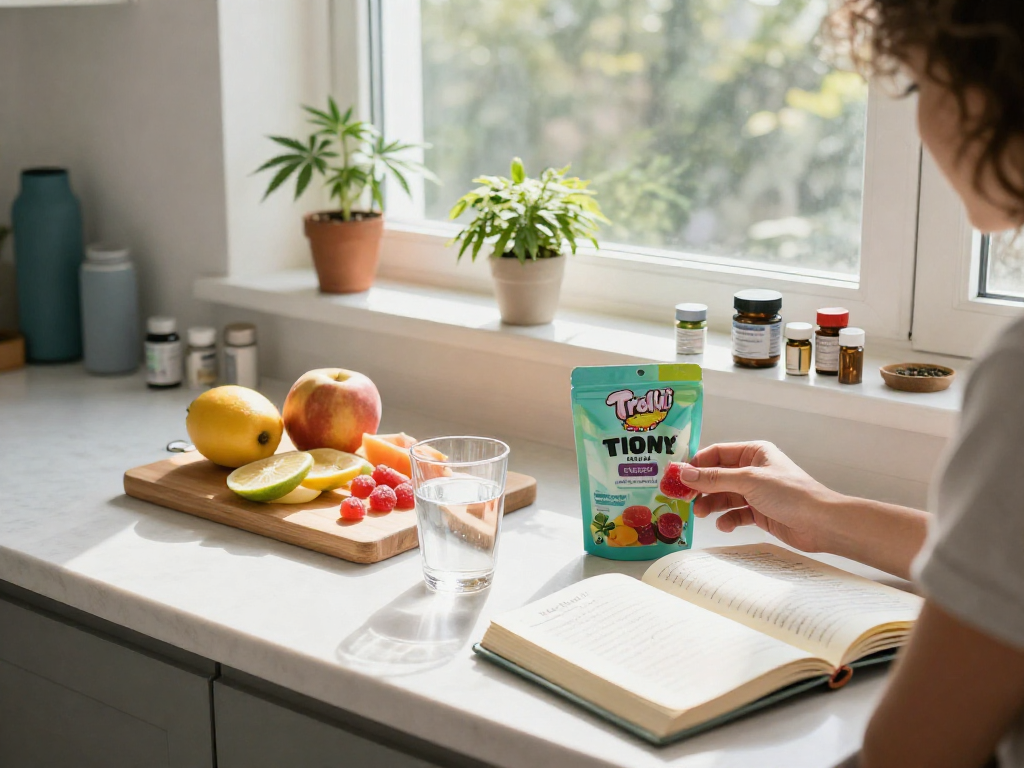
- Gummies: Often fruit-flavored, these chewy candies are popular for their taste and ease of use.
- Chocolates: Infused chocolates provide a decadent option for those looking to indulge.
- Baked goods: Cookies and brownies often offer a nostalgic or homemade feel and can offer higher doses of THC.
- Beverages: From teas to sodas, cannabis-infused drinks allow users to enjoy a refreshing option while consuming cannabis.
- Capsules: Ideal for those who prefer precise dosing without the taste of cannabis.
The Health Benefits of Weed Edibles
Weed edibles not only provide recreational enjoyment, but they also present several potential health benefits. Understanding these benefits can lead to more informed choices that align with individual wellness goals.
Potential therapeutic uses of THC and CBD in edibles
Research suggests that both THC and CBD can alleviate symptoms of various health issues. THC is commonly associated with pain relief, appetite stimulation, and relaxation, making it beneficial for those dealing with chronic pain or anxiety. CBD, on the other hand, possesses anti-inflammatory and anxiolytic properties, which can support stress relief and enhance overall wellness. The ability to tailor dosages in edibles allows individuals to find a personal therapeutic balance that works for them.
How edibles can support wellness and maintain balance
Adding weed edibles to one’s wellness routine can offer a holistic approach to managing health concerns. Individuals might experience improved sleep quality, better stress management, and enhanced recovery post-exercise. Since edibles metabolize in the body, they can provide a prolonged effect that helps people maintain balance throughout their day, especially beneficial for those with demanding lifestyles.
What to consider regarding personalized dosages
Finding the right dosage for edibles can be subjective, requiring consideration of individual factors such as weight, tolerance, and experience level with cannabis. Beginners should adopt a “start low and go slow” approach—beginning with a low dose (typically around 5 mg of THC) and waiting at least two hours before consuming more. This strategy helps mitigate the risk of overconsumption and allows users to better gauge their individual response to edibles.
Safe Consumption Guidelines for Weed Edibles
Understanding safe consumption guidelines is crucial for an enjoyable and beneficial experience with weed edibles. Adhering to these guidelines can prevent adverse reactions and ensure users maximize their enjoyment.
Understanding onset, duration, and effects of edibles
The onset of effects from weed edibles is slower compared to inhalation methods due to the digestive process. Effects can typically be felt within 30 to 90 minutes after consumption, with a duration lasting anywhere from four to eight hours. It is essential for consumers to remain patient and avoid the temptation to consume additional doses before the initial effects become apparent.
Tips for avoiding overconsumption and managing adverse effects
To prevent overconsumption, consider these tips:
- Always start with a low dose and gradually increase as tolerated.
- Keep a journal of your experiences to better understand your responses to different products.
- Stay hydrated and rest in a comfortable environment if you begin to feel overwhelmed.
- Engage in calming activities, such as watching a movie or listening to music, to distract from any discomfort.
In case of excessive dosing, situations can often be alleviated by consuming CBD-only products or even chewing on black pepper, which some users report as effective for mitigating THC anxiety.
Recommendations for combining edibles with other wellness practices
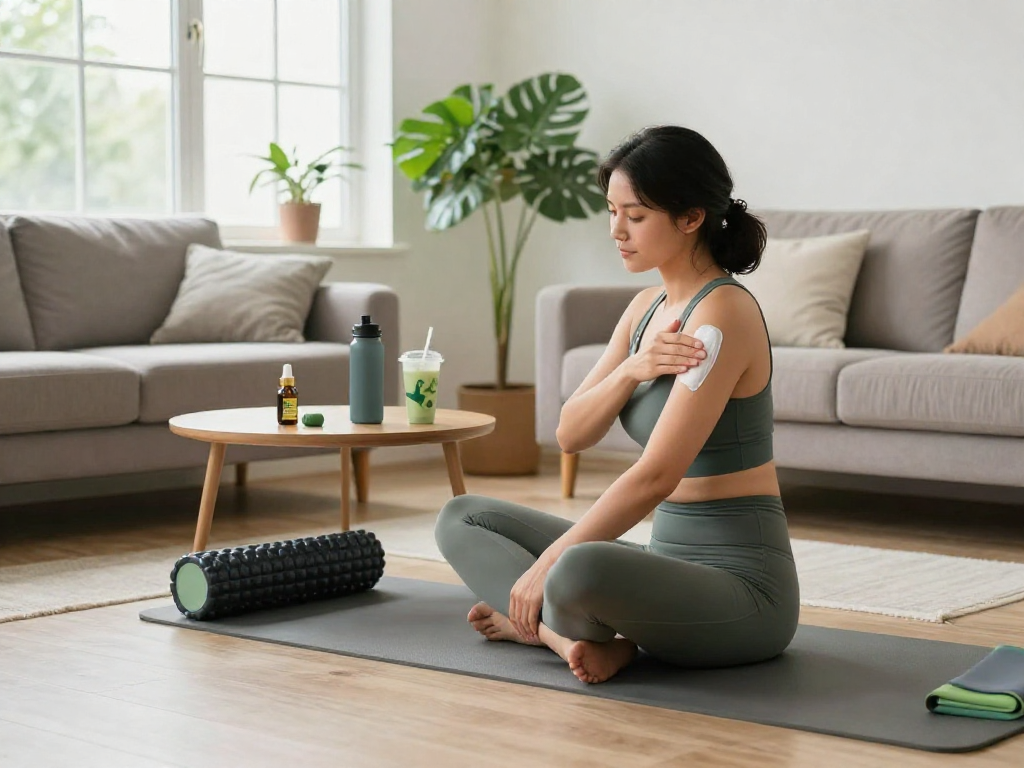
Combining the consumption of weed edibles with other wellness practices, such as meditation, yoga, or mindfulness, can enhance their effectiveness. These practices promote relaxation and mental clarity, allowing users to maximize their experience. Furthermore, consuming edibles in conjunction with a healthy diet rich in fats—like nuts or avocados—can improve absorption and effect duration by bolstering metabolic pathways.
Quality Indicators for Weed Edibles
When selecting weed edibles, it's imperative to prioritize quality. Ensuring you choose reputable products can significantly impact your overall experience.
Importance of third-party testing and Certificates of Analysis (COA)
Reputable brands will provide third-party testing results and Certificates of Analysis (COA) for their products. These documents ensure that products are accurately labeled, free from harmful contaminants, and contain the advertised cannabinoid concentrations. Always look for COAs to verify potency and purity before consumption.
How to identify reputable brands and products
Identifying reputable brands can involve several steps, including researching company history, customer reviews, and sourcing practices. Brands that are transparent about their manufacturing processes and ingredient sourcing tend to prioritize product quality. Additionally, products that clearly state their lab results are usually safer and more reliable.
Signs of quality in hemp sourcing and production practices
High-quality edibles typically originate from organic hemp sources that utilize sustainable farming practices. Understanding the cultivation methods, extraction processes, and manufacturing conditions can vastly influence the edibility and safety of the product. Look for brands that emphasize Good Manufacturing Practices (GMP) and organic certifications to ensure they meet industry standards.
Legal Considerations for Weed Edibles in 2026
The legal status of cannabis edibles has been rapidly evolving, and as of 2026, it is crucial to understand regional regulations.
Understanding the legal landscape for cannabis edibles in your state
Each state has its own laws regarding the sale and consumption of cannabis edibles. Familiarize yourself with the regulations pertaining to THC content, age restrictions, and what is permissible in your area. This knowledge can help avoid legal complications and ensure compliance with local laws.
What consumers need to know about age restrictions and labeling
In many regions, edibles, like all cannabis products, are subject to age restrictions, often requiring users to be at least 21 years old. It is important to check product labeling, which should clearly indicate THC content, ingredients, and suggested serving sizes to inform consumers effectively.
FDA regulations and guidelines on cannabis edibles
The FDA's stance on cannabis products continues to evolve, but currently, they have not approved cannabis-infused edibles as dietary supplements. Importantly, consumers should remain aware that the claims made by some products have not been evaluated by the FDA, and thus should approach them with caution.
Additional Insights on Edible Cannabis Products
What are the effects of consuming too many weed edibles?
Consuming an excessive amount of weed edibles can lead to unpleasant side effects such as anxiety, paranoia, drowsiness, or nausea. Since the effects of edibles are more intense and last longer than other forms of consumption, caution is paramount to avoid overwhelming experiences.
How do edibles compare to other cannabis products for beginners?
For beginners, the delayed onset and duration of edibles can be confusing, leading to a potential overconsumption experience. In contrast, methods like vaping or smoking offer more immediate feedback on effective dosing. New users may benefit from starting with low-dose edibles and gradually assessing their tolerance.
Can you combine THC and CBD edibles for enhanced effects?
Combining THC and CBD edibles can activate the entourage effect, wherein the two cannabinoids interact synergistically to enhance overall experience and benefits. Users may find that this combination contributes to a more balanced effect, mitigating some of the anxiety often associated with high-THC products.
What are common misconceptions about weed edibles?
Common myths around weed edibles include the belief that they are always safe or that they cannot induce a strong effect. Edibles can be potent, and users must take proper care in how they consume and enjoy them to avoid negative experiences associated with overconsumption.
How should weed edibles be stored for optimal freshness?
Proper storage of weed edibles is essential to maintain their potency and integrity. Keeping edibles in a cool, dark place and in their original child-proof packaging can reduce exposure to light and moisture, which can degrade cannabinoids over time. Users should also ensure they are safely out of reach of children and pets to prevent accidental ingestion.