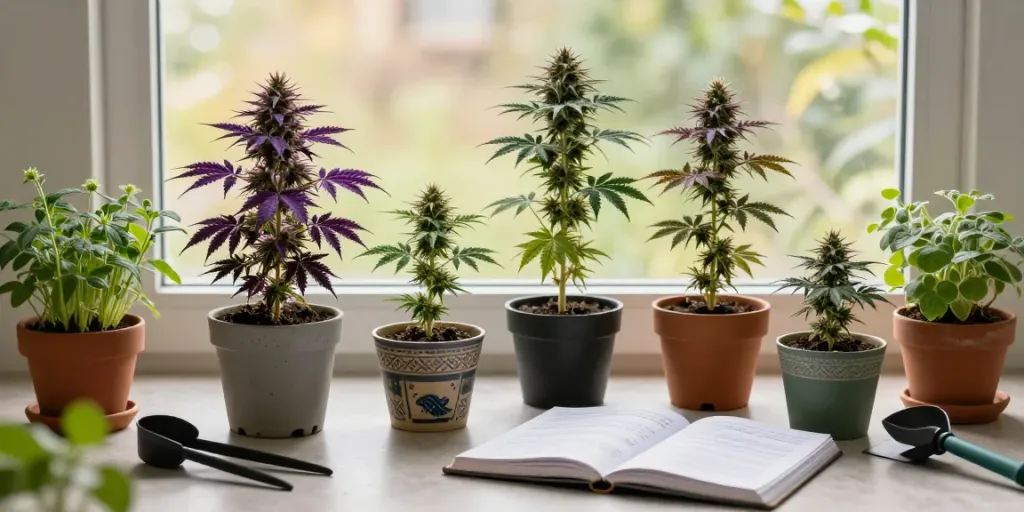
Understanding Fast Flowering Autoflower Seeds
In the evolving world of cannabis cultivation, fast flowering autoflower seeds have emerged as a popular choice for both novice and experienced growers. These seeds offer unique advantages, making the growing process quicker and more manageable. With the increasing demand for efficient cultivation methods, understanding autoflowering cannabis seeds can significantly enhance the gardening experience and yield high-quality results.
When exploring options, fast flowering autoflower seeds provide comprehensive insights into quick blossoming varieties that adapt well to various growing conditions. In this article, we will delve into what autoflower cannabis seeds are, their benefits, and how to choose and cultivate them effectively.
What Are Autoflower Cannabis Seeds?
Autoflower cannabis seeds represent a category of cannabis genetics that flower automatically based on the plant's age rather than light cycles. They typically mature faster than traditional photoperiod strains, offering growers a distinct seasonal advantage. This unique trait is largely attributed to the infusion of Cannabis ruderalis genes—plants that evolved in regions with shorter growing seasons, allowing them to flower regardless of the amount of daylight.
Benefits of Fast Flowering Autoflower Strains
Fast flowering autoflower strains come with numerous benefits that appeal to various types of growers. Here are some key advantages:
- Speed: Autoflower strains generally complete their lifecycle in 7 to 10 weeks, allowing for multiple harvests in a single growing season.
- Compact Growth: Many autoflowering plants are smaller and bushier, making them ideal for limited space or discreet grows.
- Less Maintenance: These strains do not require intricate light schedules, making them easier to cultivate, especially for beginners.
- Resilience: Autoflower seeds are often hardier than their photoperiod counterparts, making them less susceptible to pests and diseases.
Key Differences: Autoflower vs Feminised vs Regular Seeds
Understanding the different types of cannabis seeds is crucial for successful cultivation. Here’s a breakdown:
- Autoflower Seeds: Automatically switch to flowering based on maturity, regardless of the light cycle. They are perfect for quick harvests.
- Feminised Seeds: Bred to ensure all plants are female, which produce the psychoactive buds that growers seek.
- Regular Seeds: Contain a mix of male and female seeds, requiring growers to identify and remove males to avoid pollination.
Choosing the Right Fast Flowering Autoflower Seeds
Top Strains for Indoor and Outdoor Cultivation
Selecting the right strain is imperative for successful cultivation. Here are some top autoflower strains that perform exceptionally well both indoors and outdoors:
- Purplematic CBD: Offers a balanced cannabinoid profile with rich flavors and therapeutic benefits.
- Bubblegum: Renowned for its sweet aroma and ease of growth, making it perfect for beginners.
- Northern Light Auto: A classic strain known for high yields and resilience against common growing issues.
- Zkittlez: Highly sought after for its fruity profile, this strain comes with excellent potency.
Understanding Genetics and Breeding Techniques
The genetics behind autoflower cannabis seeds play a significant role in their growth behavior and characteristics. Breeding techniques that combine ruderalis with indica and sativa strains lead to diverse phenotypes, offering a range of flavors, potencies, and growth patterns. Understanding these genetic traits can help growers select the best strains for their specific growing conditions.
Environmental Compatibility and Growth Requirements
Fast flowering autoflower seeds thrive in various environments, but understanding their specific requirements is key for successful growth. These plants tend to prefer:
- Temperature: A temperature range of 70-80°F (21-27°C) during the day is optimal.
- Humidity: Maintaining humidity levels around 40-60% during the vegetative stage and lowering it gradually during flowering can enhance quality.
- Soil Quality: Well-draining soil enriched with organic nutrients can support healthy plant growth.
Successful Cultivation Techniques
Optimal Care for Fast Flowering Autoflower Plants
To ensure a successful harvest, proper care of fast flowering autoflower plants is essential. This includes regular monitoring of environmental conditions, watering schedules, and nutrient intake to promote optimal growth.
Watering, Nutrients, and Light Schedules
Watering should be done carefully to avoid over-saturation. Autoflowers thrive with moderate watering schedules, generally allowing the top inch of soil to dry out between waterings. For nutrients, using a balanced NPK (Nitrogen, Phosphorus, Potassium) formula during the vegetative phase and switching to a phosphorus-rich formula during flowering can enhance yield.
Common Mistakes and How to Avoid Them
Even experienced growers can run into common pitfalls when growing autoflower seeds. This includes:
- Overwatering: Allowing the roots to dry out can promote healthier growth.
- Light Burn: Keeping lights too close can damage plants, especially in the early stages.
- Neglecting pH Levels: Maintaining a pH level between 6.0 and 7.0 is critical for nutrient absorption.
Comparing Growth Times and Yields
Seed-to-Harvest Timelines of Popular Strains
Understanding the timeline from seed to harvest is essential for planning your growing schedule. Most autoflower strains will transition from seedling to harvest in about 8 to 10 weeks:
- Strain A (e.g., Royal Gorilla Auto): 8 weeks from seed to harvest
- Strain B (e.g., Blueberry): 9 weeks from seed to harvest
- Strain C (e.g., Cherry Pie Auto): 10 weeks from seed to harvest
High-Yield Techniques for Autoflowering Varieties
To maximize yield, consider employing the following techniques:
- Low-Stress Training (LST): Gently bending and tying branches can promote better light exposure and higher yields.
- Using Quality Grow Lights: Providing adequate light is crucial since autoflowers can benefit from up to 20 hours of light per day.
- Feeding Wisely: Avoid over-fertilizing; stick to a schedule and adjust based on plant response.
Performance Metrics for Successful Harvests
Performance metrics can vary significantly based on the strain and cultivation methods used. Factors like plant height, bud density, and THC/CBD levels are essential to monitor for assessing the success of your grow.
Looking Ahead: The Future of Autoflower Cannabis Cultivation
Emerging Trends in Cannabis Breeding (2026 and Beyond)
The future of autoflower cannabis cultivation is bright, with emerging trends focusing on creating hybrid strains that retain the best features of both autoflowering and photoperiod plants. Breeders are continuously refining genetics to enhance potency, flavor, and resilience, paving the way for more robust and productive strains.
Technological Innovations in Home Gardening
As technology evolves, innovations like smart grow lights, automated watering systems, and app-controlled environments are making it increasingly accessible for anyone to cultivate cannabis successfully. These tools can help manage the growing process with precision, ensuring ideal conditions for fast flowering autoflower seeds.
Expert Insights on Market Developments
Industry experts predict that the growing popularity of fast flowering autoflower seeds will continue, driven by an increasing number of consumers looking to grow their own cannabis at home. This demand is likely to spur innovation in breeding and cultivation techniques.
What Are the Fastest Flowering Autoflower Strains?
Some of the fastest flowering strains on the market include:
- 45-Day Autoflower: Completing its lifecycle in about 45 days from planting.
- Quick One: Another rapid strain, ideal for growers looking for quick turnarounds.
- Speedy Chile: Known for its superb speed and robust yields, perfect for outdoor growers.
How to Maximize Yields from Autoflower Seeds?
Maximizing yields from autoflower seeds involves a combination of strain selection, environmental control, and proper care techniques. Regular monitoring and adjustments to nutrients and light schedules can lead to optimal outcomes.
What Are Common Challenges with Autoflower Seeds?
Autoflower growers often face challenges such as inconsistent growth rates, pests, and nutrient deficiencies. Awareness of these issues and proactive management strategies can significantly mitigate risks and enhance overall success.
Why Choose Fast Flowering Autoflower Seeds?
Fast flowering autoflower seeds combine convenience, speed, and resilience, making them a compelling choice for growers looking to achieve rapid and high-quality yields. Their ease of cultivation allows both beginners and experts to enjoy successful grows without the complexity involved with photoperiod plants.
How Do I Start Growing Autoflower Cannabis Seeds?
Starting with autoflower cannabis seeds involves several key steps:
- Choose the right strain based on your growing conditions and desired effects.
- Prepare your growing environment, ensuring optimal light, temperature, and nutrients.
- Plant the seeds, providing adequate moisture and care during germination.
- Monitor growth regularly, adjusting care as needed to promote healthy development.
What Grow Lights Work Best for Autoflowers?
LED grow lights are often the best choice for autoflowering plants due to their energy efficiency and ability to emit the specific light spectrum required for all growth stages. Full-spectrum LEDs can provide the necessary blue light for vegetative growth and red light for flowering phases, enhancing yield and quality.