
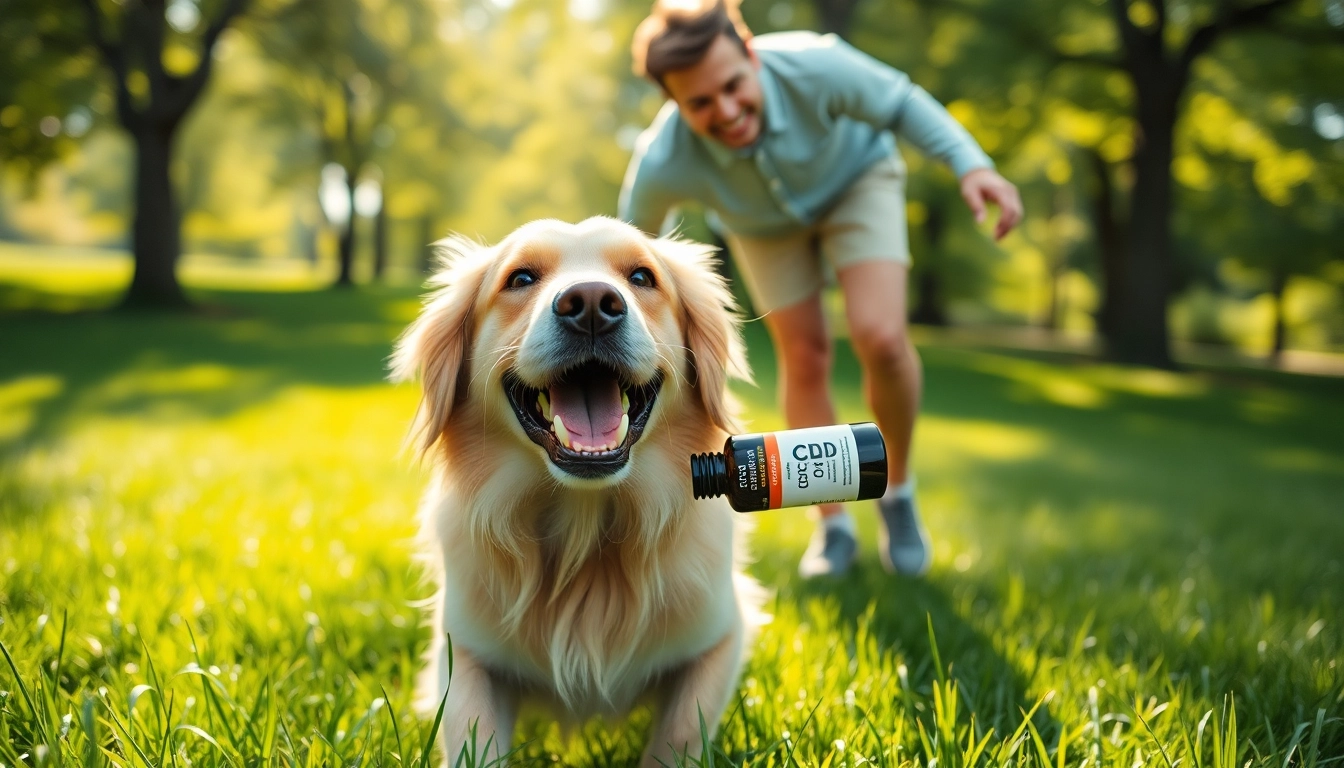
Understanding CBD For Pet: What It Is and How It Works
Cannabidiol, commonly known as CBD, has gained significant attention in recent years for its potential health benefits across various species, including our beloved pets. With pet owners seeking natural alternatives for pet care, the application of CBD for pet health has emerged as a popular topic. This article aims to delve into the essence of CBD for pet, exploring its mechanisms, benefits, and practical applications to help pet owners make informed decisions for their furry companions.
The Basics of CBD and Its Impact on Pets
CBD is one of the many cannabinoids found in the hemp plant. Unlike its cousin THC (tetrahydrocannabinol), CBD is non-psychoactive, meaning it does not produce the "high" typically associated with cannabis. Instead, studies suggest that CBD interacts with the endocannabinoid system (ECS) in mammals, which plays a crucial role in regulating various physiological processes, including mood, pain sensation, and immune function.
For pets, CBD can help to modulate physiological processes and provide potential relief from various conditions. This ability to affect the ECS highlights the importance of understanding how CBD for pet can contribute positively to their health and well-being.
How CBD For Pet Interacts with Canine Physiology
Dogs, much like humans, possess an ECS that governs numerous bodily functions. The ECS consists of cannabinoid receptors (CB1 and CB2), endogenous cannabinoids, and the enzymes that synthesize and degrade these endocannabinoids. When CBD is administered to pets, it binds to these receptors, thereby influencing the signaling processes involved in pain, inflammation, and mood.
Research indicates that CBD may help pets by:
- Reducing anxiety and stress levels.
- Alleviating chronic pain and inflammation.
- Improving mobility and joint health.
- Promoting overall wellness and vitality.
Understanding this interaction enables pet owners to look forward to a holistic approach in managing their pet’s health, particularly for aging pets or those dealing with chronic health conditions.
Common Misconceptions About CBD For Pet
Despite its growing popularity, misconceptions regarding CBD for pet persist. Some common myths include:
- CBD is a form of marijuana and will get pets high.
- All CBD products are created equal; therefore, any product is suitable for pets.
- CBD is a cure-all for every ailment in pets.
It is crucial to understand that while CBD has promising benefits, it is not a panacea. Education on proper dosages, product selection, and veterinary guidance is essential to dispel these myths and ensure the safe use of CBD in pet health management.
Potential Health Benefits of CBD For Pet
Alleviating Anxiety and Stress in Pets
Pets often experience anxiety and stress due to various factors, including loud noises, environmental changes, or separation from their owners. CBD has shown potential in mitigating these anxious behaviors. Studies have indicated that CBD may help reduce cortisol levels, a hormone associated with stress, and promote a sense of calm in pets. As such, many pet owners report notable improvements in their pets' behavior post-administration of CBD.
For example, a pet owner might find that their dog, who previously exhibited signs of separation anxiety by excessive barking or destructive behavior, became significantly more relaxed after being given CBD oil before left alone. The anecdotal support for CBD's anxiolytic properties makes it a favored choice among pet owners.
Supporting Joint Health and Mobility
Joint health is a major concern, especially for older pets or those with arthritis. CBD is known for its anti-inflammatory properties, which can effectively reduce joint pain and enhance mobility. By interacting with the ECS, CBD may help to ease inflammation and provide relief for pets struggling with mobility issues.
Pet owners have reported that their senior dogs, after consistent CBD administration, exhibit improved activity levels, playfulness, and less stiffness during morning routines. These positive changes can significantly enhance the quality of life for aging pets.
Enhancing Overall Wellness and Quality of Life
CBD’s potential extends beyond alleviating anxiety and supporting joint health; it also promotes overall wellness in pets. A balanced ECS contributes to a pet’s ability to maintain homeostasis and overall health. CBD may interact with various receptors to support immune function, help with digestion, and improve skin health among pets.
Moreover, CBD has been reported to assist with issues like nausea and loss of appetite. Many pet owners find that administering CBD helps their pets with their dietary intake, especially during stressful conditions or after surgical procedures.
Choosing the Right CBD For Pet Products
Identifying Quality CBD Products for Pets
When searching for the right CBD for pet products, quality is paramount. Here are some crucial factors to consider:
- Source: Ensure the CBD is derived from organically grown hemp with non-GMO practices.
- Extraction Method: CO2 extraction is preferred as it preserves the cannabinoids and terpenes, ensuring product purity.
- Third-party Testing: Reliable brands will conduct independent lab testing, providing transparency regarding the potency and purity of their products.
Regularly researching products and staying informed will empower pet owners to select the most effective and safe options available.
Understanding Different Forms of CBD For Pet
CBD products come in various forms, each catering to specific preferences and needs. Common forms of CBD for pet include:
- Oils and Tinctures: Allow for precise dosing and can be added to food or administered directly.
- Chews and Treats: Convenient and palatable; perfect for pets that enjoy snacks.
- Topicals: Applicative products that can be used for localized relief such as joint pain or skin conditions.
Understanding these forms can help pet owners effectively integrate CBD into their pet’s routine based on individual preferences and needs.
Dosage Recommendations for Optimal Results
Determining the correct dosage of CBD for pet can be challenging, especially with varying product concentrations. It's imperative to start low and gradually increase the dosage while monitoring the pet's response. A common guideline suggests starting with 1-2 mg of CBD per 10 pounds of body weight. Adjustments can be made based on individual needs and responses observed.
Veterinarian consultation can further refine dosage recommendations, ensuring safe and effective usage tailored to each pet's needs.
Safety Considerations and Side Effects of CBD For Pet
Common Side Effects to Watch For
While many pets tolerate CBD well, potential side effects can occur. Common side effects may include:
- Dry mouth.
- Increased drowsiness or lethargy.
- Lowered blood pressure.
Being vigilant and ensuring an open line of communication with your veterinarian can help mitigate any adverse effects experienced during CBD treatment.
Consulting with Veterinarians Regarding CBD For Pet
Before introducing CBD for pet into your furry friend’s regimen, consulting a veterinarian is vital. Vets can provide insights based on a pet’s medical history and current health conditions. Since there are limited FDA-approved products for use in pets, personalized veterinary advice ensures that pet owners can make educated decisions without compromising their pet's health.
Cautions for Specific Breeds or Health Conditions
Just as with any supplement, certain breeds or underlying health conditions may render pets more susceptible to side effects from CBD. Pets with specific metabolic disorders, pregnant or nursing pets, or those on medication that interacts with CBD must be assessed on a case-by-case basis. Customized treatment plans developed from veterinarian consultations can help ensure safe usage.
Managing Your Pet's Health with CBD For Pet: Best Practices
Integrating CBD Into Your Pet’s Daily Routine
Integrating CBD into a pet’s daily routine can be a seamless process, enhancing their overall health without causing disruption. Consider introducing CBD gradually, perhaps starting by incorporating it into mealtimes. This method can often help build a positive association with the product.
Being consistent in administration helps in tracking its effects effectively, leading to better health outcomes.
Monitoring Effects and Adjusting Dosage
After incorporating CBD for pet into their daily routine, monitoring your pet’s behavior and health changes is crucial. Keeping a journal or using an app can help keep track of dosage, the frequency of administration, and observed effects. If adjustments are necessary, they can be made accordingly, ideally under veterinary guidance.
Staying Informed on Legal Regulations and Guidelines
Lastly, staying informed on legal regulations surrounding CBD for pet is vital as it varies by state and locality. Understanding the specific laws governing CBD products will ensure that pet owners remain compliant while providing their pets with the best possible care. Consulting local regulations and keeping up with updates ensures peaceful usage without legal concerns.
In conclusion, leveraging CBD for pet presents an exciting opportunity for holistic health management. By understanding its mechanisms and benefits, selecting quality products, and employing safe practices, pet owners can significantly improve their furry friend’s quality of life. For more information and resources regarding CBD for pet, consider exploring CBD For Pet and enhancing your pet's well-being today.