
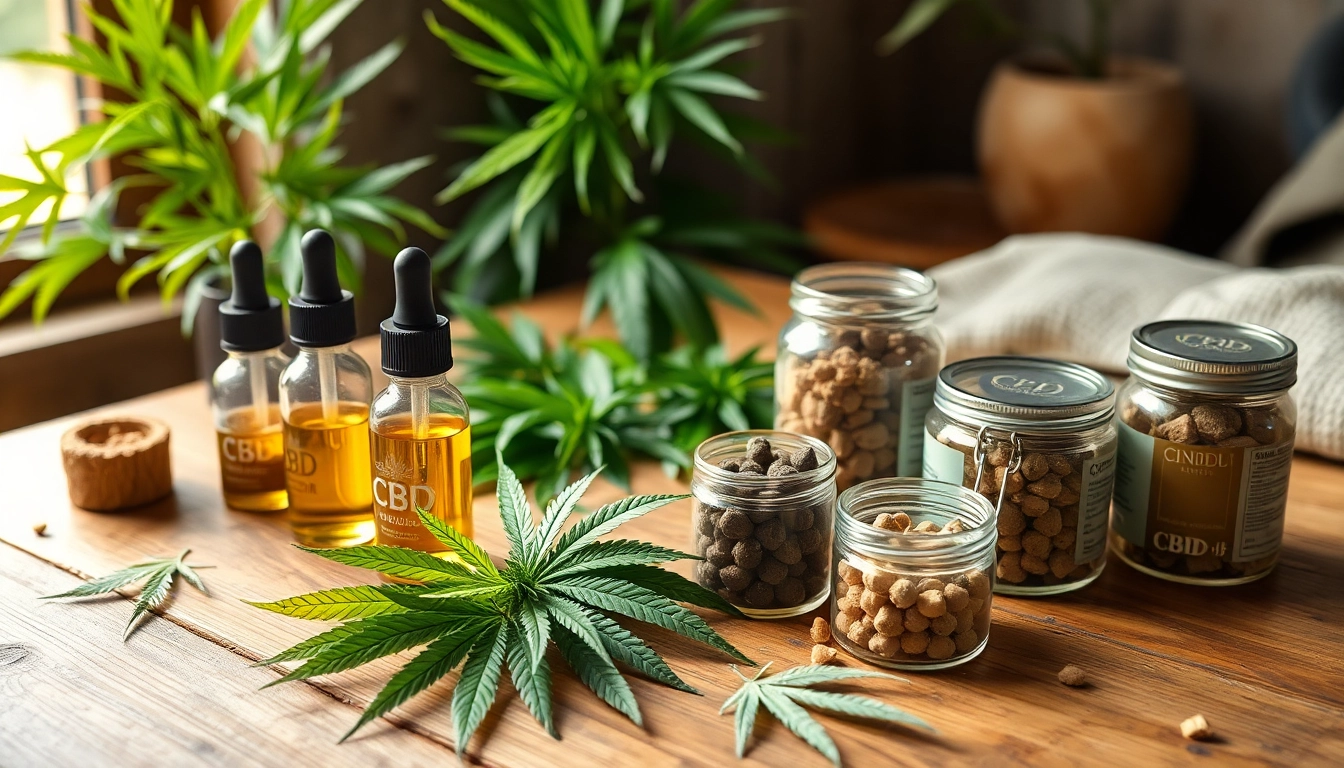
Introduction to CBD: The Basics
Cannabidiol (CBD) has emerged as one of the most talked-about compounds derived from the hemp plant. Unlike its more famous counterpart, tetrahydrocannabinol (THC), CBD does not have psychoactive properties, meaning it does not produce a “high.” This unique characteristic, coupled with a growing body of research demonstrating its potential health benefits, has resulted in a surge of interest surrounding CBD. This article aims to explore the fundamentals of CBD, its extraction methods, health benefits, forms, legality, safety guidelines, and its future in wellness and medicine.
What is CBD?
CBD is one of over a hundred cannabinoids found in cannabis plants. Cannabinoids are chemical compounds that interact with receptors in the body’s endocannabinoid system, which plays a crucial role in maintaining homeostasis. Unlike THC, which binds primarily to CB1 receptors in the brain, CBD interacts with various receptors, promoting a more regulatory effect on bodily functions without the euphoric high associated with THC. As research continues to evolve, CBD appears to hold promise for a variety of health issues, drawing attention from both the scientific community and consumers alike.
How is CBD Extracted?
The extraction of CBD from hemp occurs through several methods, each with distinct advantages and potential drawbacks. The primary extraction techniques include:
- CO2 Extraction: This method uses carbon dioxide under high pressure and low temperatures to extract CBD. It’s praised for its ability to produce a clean and potent extract without the use of harmful solvents.
- Solvent Extraction: Using solvents like ethanol or butane, this method reduces the cost but raises concerns about residual chemicals. It requires thorough purification to ensure safety.
- Olive Oil Extraction: A more traditional approach that involves soaking the plant material in olive oil. While safe and straightforward, it typically results in lower concentrations of CBD and a shorter shelf life.
Choosing the right extraction method can significantly impact the quality and potency of the final product, underscoring the importance of understanding CBD sourcing for consumers.
Cannabinoids and their Role in Health
Cannabinoids function by mimicking the body’s natural endocannabinoids, engaging with the endocannabinoid system to help regulate various physiological and cognitive processes. Research suggests that cannabinoids like CBD may play a role in areas such as:
- Pain Relief: Cannabinoids are known to alleviate various types of pain, including chronic pain, by influencing the body’s response to discomfort.
- Neurological Protection: There is emerging evidence to suggest that CBD could provide neuroprotective benefits, making it of interest for conditions like epilepsy and multiple sclerosis.
- Anti-inflammatory Effects: CBD’s anti-inflammatory properties may help in managing conditions related to inflammation, including arthritis.
The exploration of cannabinoids like CBD opens up new possibilities for natural, plant-derived treatment options for a range of health conditions.
Health Benefits of CBD
The benefits of CBD are diverse, ranging from mental health applications to physical health improvements. While research is still ongoing, many users report positive outcomes associated with their CBD consumption.
Relief from Anxiety and Stress
Anxiety disorders affect millions of individuals, causing significant disruption to daily life. Preliminary studies indicate that CBD may have anxiolytic properties, which could benefit those suffering from social anxiety, generalized anxiety disorder, and post-traumatic stress disorder (PTSD). In a clinical setting, CBD has been shown to reduce anxiety levels, improve cognitive function, and promote overall calmness. While the exact mechanisms are still being investigated, it’s believed that CBD’s interaction with serotonin receptors in the brain plays a pivotal role.
CBD for Chronic Pain Management
Chronic pain poses a significant challenge to health systems globally. Evidence suggests that CBD may assist in pain management without the side effects associated with traditional pain medications, such as opioids. Research shows that CBD can help reduce inflammatory pain and nerve pain, making it an attractive alternative for those seeking relief without pharmacological interventions. Patients using CBD to manage conditions like arthritis, fibromyalgia, and multiple sclerosis report notable decreases in their pain levels, improving functionality and quality of life.
Impact of CBD on Sleep Disorders
Sleep disorders, including insomnia and sleep apnea, affect many individuals, leading to negative consequences on health. CBD’s potential to improve sleep quality and regulate sleep cycles has garnered attention. Some studies suggest that CBD may enhance total sleep time and decrease sleep disturbances. By interacting with receptors that regulate the sleep-wake cycle, CBD shows promise as a natural approach to promoting better sleep without the side effects often associated with pharmaceutical sleep aids.
Forms and Methods of CBD Consumption
As CBD gains popularity, a wide range of consumption methods has emerged, catering to different preferences and lifestyles. Understanding these options is crucial for consumers looking to integrate CBD into their wellness routines.
Understanding CBD Oils and Tinctures
CBD oils and tinctures are among the most popular forms of CBD. These are typically administered sublingually (under the tongue) for quick absorption into the bloodstream. CBD oil combines CBD extract with a carrier oil, often coconut or hemp seed oil, which enhances bioavailability. Users appreciate the versatility of CBD oils, which can be taken directly or added to foods and beverages. Tinctures, which may contain additional herbs or flavoring, offer a variety of taste options, catering to individual preferences.
CBD Edibles: Gummies vs. Snacks
CBD edibles, such as gummies, chocolates, and baked goods, provide a delicious way to consume CBD. They offer discreet usage and a pre-measured dose, making them convenient for on-the-go consumers. While gummies are often favored for their taste and ease of incorporation into daily routines, some individuals may prefer more savory options or snacks infused with CBD. Understanding the dosage in each edible is essential, as the onset of effects may take longer compared to other consumption methods.
Topical CBD Products and Their Applications
CBD topicals, including creams, balms, and lotions, are designed for external use, targeting local discomfort and skin ailments. These products can be particularly beneficial for conditions like arthritis or localized pain, offering direct relief without entering the bloodstream. Topicals may also provide other benefits, including skin hydration and anti-inflammatory effects, making them suitable for those seeking both cosmetic and therapeutic advantages.
Legal Considerations and Safety of CBD
The rapid growth of CBD in markets has led to complex legal considerations across different regions. Understanding the legal landscape is crucial for consumers looking to navigate their CBD choices responsibly.
Understanding the Legal Landscape of CBD
CBD’s legality primarily hinges on its source. In the United States, CBD derived from hemp containing less than 0.3% THC is federally legal, following the passage of the 2018 Farm Bill. However, individual states may have varying regulations regarding its sale and use. It is important for consumers to research local laws to ensure compliance and understand any restrictions imposed by state legislation. Internationally, the legal status of CBD can vary significantly, further complicating global commerce.
Potential Side Effects of CBD
While CBD is generally well-tolerated, it is not without potential side effects. Common side effects reported include dry mouth, fatigue, changes in appetite, and diarrhea. Consumers should consult healthcare professionals, especially those with existing medical conditions or who are taking other medications, to ensure there are no contraindications. Monitoring one’s individual response and starting with lower doses before adjusting can help mitigate risks.
Safe Usage Guidelines for CBD
To maximize safety and effectiveness, consumers are encouraged to follow specific guidelines when using CBD:
- Start Low, Go Slow: Initiate treatment with a lower dose and gradually increase as needed, observing the body’s response.
- Consult a Professional: This is vital for those with pre-existing health conditions or who are pregnant or nursing.
- Source Wisely: Choose reputable suppliers who provide third-party lab testing to ensure product quality and potency.
Understanding how to safely integrate CBD into one’s lifestyle can enable consumers to leverage its potential benefits responsibly.
Future of CBD in Wellness and Medicine
The future of CBD appears promising as research intensifies, and public interest continues to climb. The potential applications of CBD in both wellness and medical settings could revolutionize various treatment paradigms.
Current Research Trends in CBD Applications
Recent studies are exploring a myriad of potential applications for CBD beyond anxiety and pain management. Ongoing clinical research is examining its effects on neurological disorders, such as epilepsy and Parkinson’s disease, as well as its role in combatting addiction. There is also growing interest in its anti-cancer properties and effects on metabolic disorders. As scientific understanding deepens, the medical community may integrate CBD into a broader scope of therapeutic options.
Public Perception and Acceptance of CBD
The public perception of CBD is shifting toward positive acceptance, driven by success stories and educational efforts. Surveys reveal increasing awareness and willingness to consider CBD for health issues. However, challenges remain regarding misinformation and stigma. Continuous advocacy, along with clear communication of research findings, will be vital in fostering informed consumer choices and increasing acceptance within the healthcare community.
The Role of CBD in Holistic Health Approaches
As health trends increasingly focus on holistic approaches, CBD is likely to play a significant role. Integrated wellness regimens that incorporate CBD may offer synergistic benefits when combined with practices like meditation, nutrition, and physical activity. By harnessing CBD’s properties alongside other holistic strategies, individuals can pursue comprehensive well-being that addresses both mental and physical health.
About the Author